The Hidden Financial Power of Daily Construction Reporting
In today’s highly competitive construction industry, accurate daily construction reports have become one of the most important tools available to contractors, subcontractors, project managers, and owners. Whether the project involves heavy civil construction, commercial buildings, highway infrastructure, utility installation, or site development, proper project documentation can determine whether a contractor successfully recovers costs—or absorbs major financial losses.
Many contractors underestimate the importance of construction daily reporting until a dispute arises. Unfortunately, by the time a claim, lawsuit, backcharge, delay allegation, or payment dispute develops, incomplete documentation can become extremely costly.
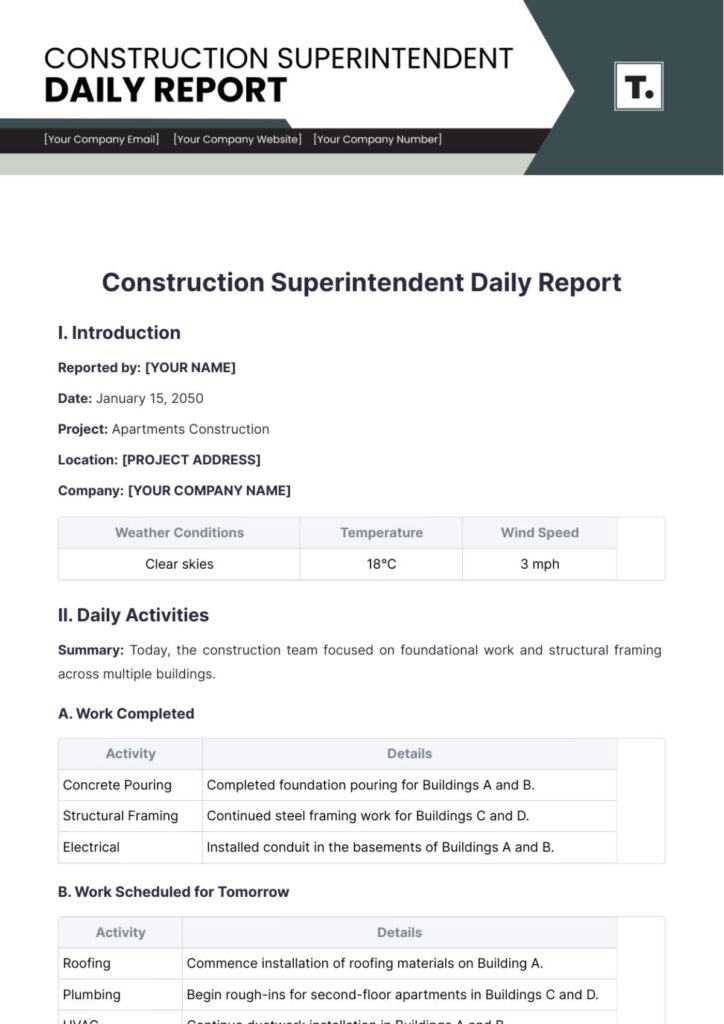
A professionally prepared daily construction report provides a detailed and contemporaneous record of project activities, manpower, weather conditions, equipment usage, inspections, deliveries, delays, safety incidents, productivity disruptions, and owner or engineer interactions. These records often become the foundation for defending against claims, supporting change orders, proving schedule impacts, and protecting profit margins.
For contractors operating in heavy civil construction, roadway work, utilities, site development, grading, paving, concrete, or vertical construction, accurate field reporting is no longer optional—it is a critical business protection strategy.
How Daily Construction Reports Protect Contractors From Claims
Construction Claims Are Won or Lost Through Documentation
One of the most searched phrases in the construction industry today is:
“How do contractors defend against construction claims?”
The answer is simple:
Accurate project documentation.
Construction disputes often involve:
- Weather delays
- Utility conflicts
- Owner-directed changes
- Design deficiencies
- Out-of-scope work
- Differing site conditions
- Schedule interference
- Productivity losses
- Material shortages
- Access restrictions
Without detailed daily construction reports, proving these impacts becomes extremely difficult.
For example, if a contractor experiences delayed access to a work area because another subcontractor failed to complete preceding work, the contractor must document:
- The exact area impacted
- The date and time
- Equipment idled
- Crew size affected
- Weather conditions
- Conversations with the GC or owner
- Lost productivity
- Schedule impact
A properly maintained construction reporting system creates a defensible timeline of events that can later support:
- Change order requests
- Delay claims
- Time extensions
- Cost recovery
- Legal defense
- Arbitration support
- Insurance claims
Courts, arbitrators, engineers, and owners frequently rely heavily on contemporaneous field records when determining responsibility for delays or damages.
Why Daily Construction Reports Improve Schedule Management
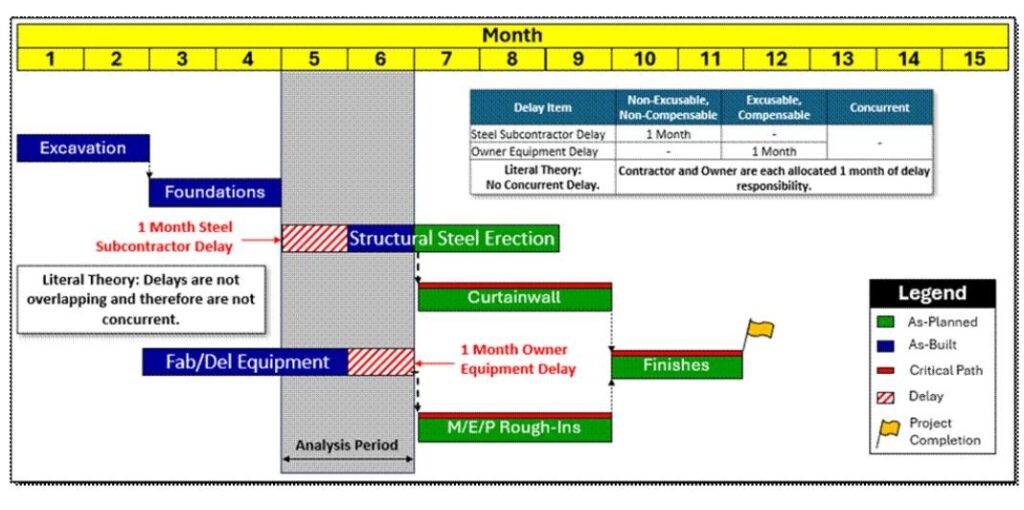
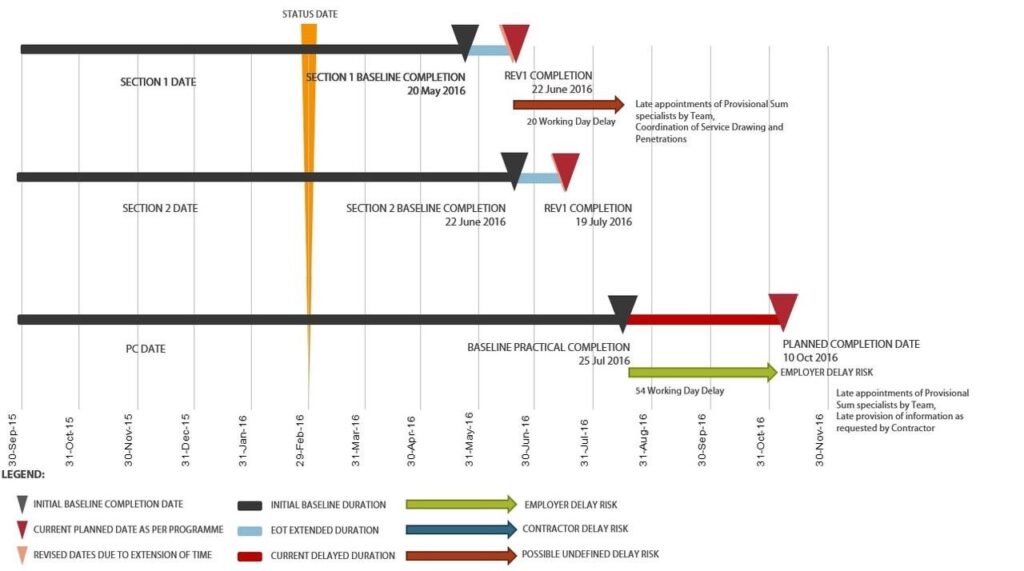
Construction Schedule Delays Cost Contractors Millions
Schedule delays remain one of the largest causes of financial loss in construction.
Accurate daily construction reporting helps project teams identify developing problems before they become catastrophic.
Daily reports help identify:
- Falling productivity rates
- Equipment downtime
- Material delivery issues
- Weather impacts
- Unsafe work conditions
- Labor shortages
- Coordination failures
- Inspection bottlenecks
- Utility conflicts
- Trade stacking inefficiencies
When trends are identified early, management can take corrective action before delays escalate into claims or liquidated damages.
Example:
A utility contractor documenting repeated delays caused by inaccessible work areas can establish:
- Dates affected
- Crews impacted
- Equipment standing by
- Loss of production
- Resulting schedule disruption
Without detailed reporting, those costs are often unrecoverable.

Essential Items Every Construction Daily Report Should Include
The Best Construction Daily Reports Are Detailed and Consistent
An incomplete daily report has limited value.
High-quality construction reporting systems should include detailed documentation of all project activities and conditions.
1. Weather Conditions
Weather documentation is critical for:
- Delay claims
- Productivity impacts
- Earthwork moisture conditions
- Concrete placement conditions
- Safety concerns
Reports should document:
- Temperature
- Rainfall
- Wind conditions
- Ground conditions
- Start and stop times of adverse weather
2. Manpower Tracking
Daily labor tracking should identify:
- Total manpower onsite
- Personnel by trade
- Supervisory staff
- Visitors
- Inspectors
- Specialty crews
This information establishes workforce availability and production capability.
3. Equipment Utilization
Heavy equipment costs can exceed thousands of dollars per day.
Construction reports should track:
- Equipment onsite
- Hours operated
- Idle time
- Breakdowns
- Standby conditions
- Mobilization activities
This documentation becomes critical during equipment-related delay claims.
4. Work Activities Performed
Daily reports should clearly document:
- Areas worked
- Quantities installed
- Progress achieved
- Milestones completed
- Inspections passed
- Materials incorporated
This creates a measurable project history.
5. Delays and Disruptions
One of the most important portions of any construction daily report is the delay section.
This area should document:
- Cause of delay
- Responsible party
- Duration
- Impacted crews
- Equipment affected
- Potential schedule impact
Failure to document delays daily often destroys future recovery efforts.
6. Safety and Compliance Issues
Construction reporting should also include:
- Safety meetings
- OSHA concerns
- Near misses
- Corrective actions
- Site hazards
- Incident reporting
This information supports both safety management and legal defense.
How Accurate Reporting Improves Contractor Profitability
Construction Reporting Is a Profit Protection Tool
Many contractors mistakenly believe daily reports are only administrative paperwork.
In reality, accurate reporting directly impacts profitability.
Effective daily reporting helps:
- Reduce unrecoverable costs
- Improve productivity
- Minimize disputes
- Support change orders
- Track production trends
- Prevent schedule overruns
- Improve accountability
- Reduce equipment waste
- Strengthen legal defense
Contractors with strong reporting systems consistently outperform contractors with weak documentation procedures.
Digital Construction Reporting vs. Paper Reports
Why Modern Contractors Are Moving to Digital Reporting Platforms
Traditional paper daily reports create several problems:
- Lost records
- Inconsistent formatting
- Illegible handwriting
- Delayed distribution
- Limited photo integration
- Poor search capability
- Difficult data tracking
Modern digital construction reporting platforms solve these issues through:
- Cloud-based storage
- Real-time updates
- Mobile accessibility
- GPS integration
- Photo attachments
- Automated distribution
- Searchable records
- Instant project history retrieval
Digital systems dramatically improve project visibility and accountability.
ConstructionReportingApps.com Offers Customized Daily Reporting Solutions
Tailored Construction Reporting for Your Specific Construction Type
ConstructionReportingApps.com offers customized digital construction daily reporting systems specifically tailored to the needs of:
- General Contractors
- Heavy Civil Contractors
- Utility Contractors
- Concrete Contractors
- Grading Contractors
- Paving Contractors
- Highway Contractors
- Site Development Contractors
- Specialty Trade Contractors
Unlike generic reporting platforms, ConstructionReportingApps.com can customize your reporting structure to align with:
- Your company colors
- Your company logo
- Your project delivery methods
- Your trade-specific reporting requirements
- Your internal workflows
- Your safety tracking procedures
- Your owner reporting preferences
Customized Reporting Features Include
Daily Reporting Designed Around Your Operations
Customized construction reporting applications can include:
- Project-specific pull-down menus
- Manpower tracking
- Equipment tracking
- Weather integration
- Inspection tracking
- Delay reporting
- Safety observations
- Visitor logs
- Material delivery tracking
- Photo documentation
- Schedule status indicators
- Tomorrow’s work plan
- Owner sentiment tracking
This customization helps contractors improve consistency, accountability, and operational awareness across all projects.
Demonstrations Available for Contractors
See How Digital Construction Reporting Can Protect Your Company
ConstructionReportingApps.com offers demonstrations showing how customized reporting systems can help contractors:
- Improve documentation quality
- Reduce claims exposure
- Track project performance
- Improve schedule management
- Increase accountability
- Protect profit margins
- Streamline field reporting
The platform can be configured specifically for:
- Heavy civil construction
- Commercial construction
- Utility installation
- Site development
- Highway construction
- Concrete operations
- Specialty subcontractors
This allows contractors to utilize reporting systems specifically designed around their real-world operations instead of generic templates.
Three Key Takeaways
1. Accurate Daily Construction Reports Protect Contractors Financially
Detailed documentation helps contractors recover costs associated with delays, disruptions, differing site conditions, and owner-caused impacts.
2. Construction Reporting Improves Productivity and Schedule Performance
Daily reporting identifies developing issues early enough to allow corrective action before delays escalate.
3. Digital Reporting Systems Improve Accountability and Organization
Modern digital construction reporting platforms provide searchable, organized, real-time project documentation that is far more effective than traditional paper logs.
Three Key Summary Points
Accurate Reporting Creates Legal Protection
Well-maintained daily reports often become the primary evidence used during disputes, claims, arbitration, and litigation.
Strong Documentation Improves Profitability
Contractors who consistently document delays, productivity, and equipment utilization are better positioned to recover costs and protect margins.
Customized Digital Reporting Is the Future of Construction Management
Contractors increasingly rely on tailored digital reporting systems like ConstructionReportingApps.com to streamline operations, improve project visibility, and reduce risk.
Final Thoughts on Construction Daily Reporting
In the modern construction industry, accurate daily reporting is no longer simply a project management formality—it is a business survival strategy.
The contractors who consistently maintain detailed, organized, and professional daily reports place themselves in a significantly stronger position to:
- Defend claims
- Recover additional costs
- Improve schedules
- Increase accountability
- Reduce disputes
- Improve safety
- Protect profitability
Whether operating as a heavy civil contractor, general contractor, utility contractor, or specialty subcontractor, investing in accurate construction reporting systems can provide enormous long-term operational and financial benefits.
For contractors interested in modernizing their field reporting systems, customized demonstrations are available through ConstructionReportingApps.com, where reporting applications can be tailored specifically to your company’s logo, colors, workflows, and construction specialization.
Related Articles

Start writing better daily reports today
Download the Superintendent's Daily Report app or grab the free checklist.
Leave a Reply